
Learning Flamenco guitar is a riveting adventure, full of historical intrigue and technical challenges. For those of us who haven’t lived extensively in Spain or other places where flamenco music is an integral part of life, it can be difficult to know where to begin.
Perhaps the best introductory approach is to become familiar with the most common flamenco styles, known as palos or toques (from the guitarist perspective).
What does flamenco Toque or Palo mean?
You can consider a flamenco toque or palo as a musical form (compositional structure).
Each form signifies the following:
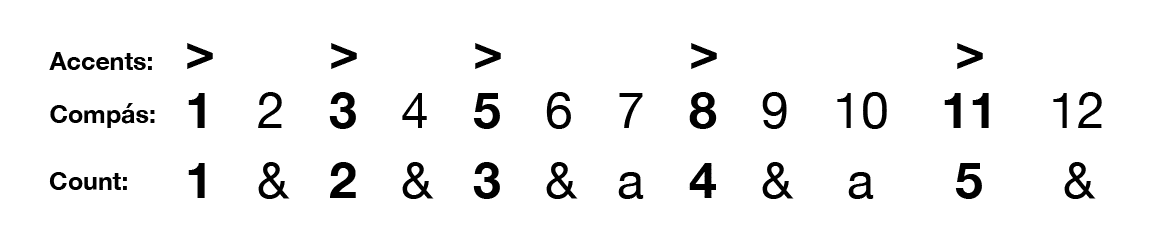
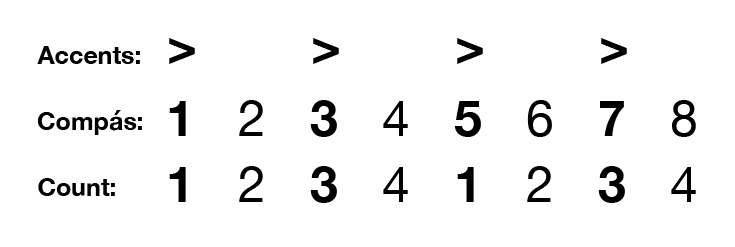
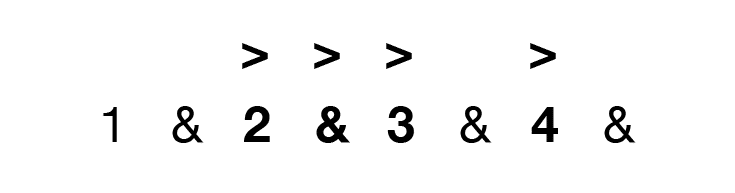
- Rhythmic structure (compás)
- Tempo
- Key or Mode
- Harmonic patterns (such as chord progressions)
- Melodic phrasing elements that have been established, developed, and transmitted for hundreds of years
So how is this helpful? Simply put, saying the name of a form conveys a lot of meaning that otherwise takes a long time to describe.
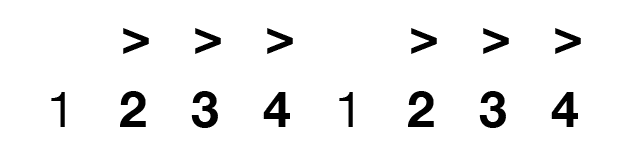
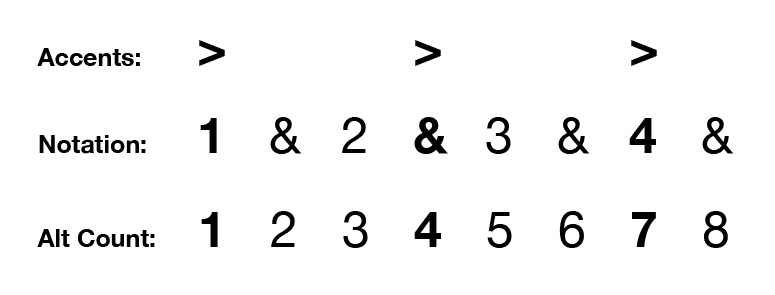
For instance, without the name of a form, I would have to say “play this piece Andante in 3/4 time, E phrygian mode. You should place accents on beat 12, 3, 6, 8, and 10. The chord progression is…” blah blah blah.
Instead, one can simply say this is a “Soleá” toque, and know generally what to expect!
While flamenco guitar is usually improvisational based on the norms of a given toque, there are well-known compositions, familiar ‘licks’, and standard phrases that players will incorporate on a regular basis.¹
What’s the difference between Palo and Toque?
First of all, what’s the difference between a palo and toque in flamenco? The short answer is there is no practical difference other than palo is a more general term to describe the classification system whereas toque is guitar-specific.
The word palo in Spanish has several definitions, but in this context a “branch” or “suit of cards” is the best translation as it refers to a categorization or classification system.
The word toque, meaning “to touch”, refers to the same exact system but from the guitarist perspective. Secondly, the term ‘tocoar‘ refers to a particular guitarist, and their particular repertoire and style of playing.
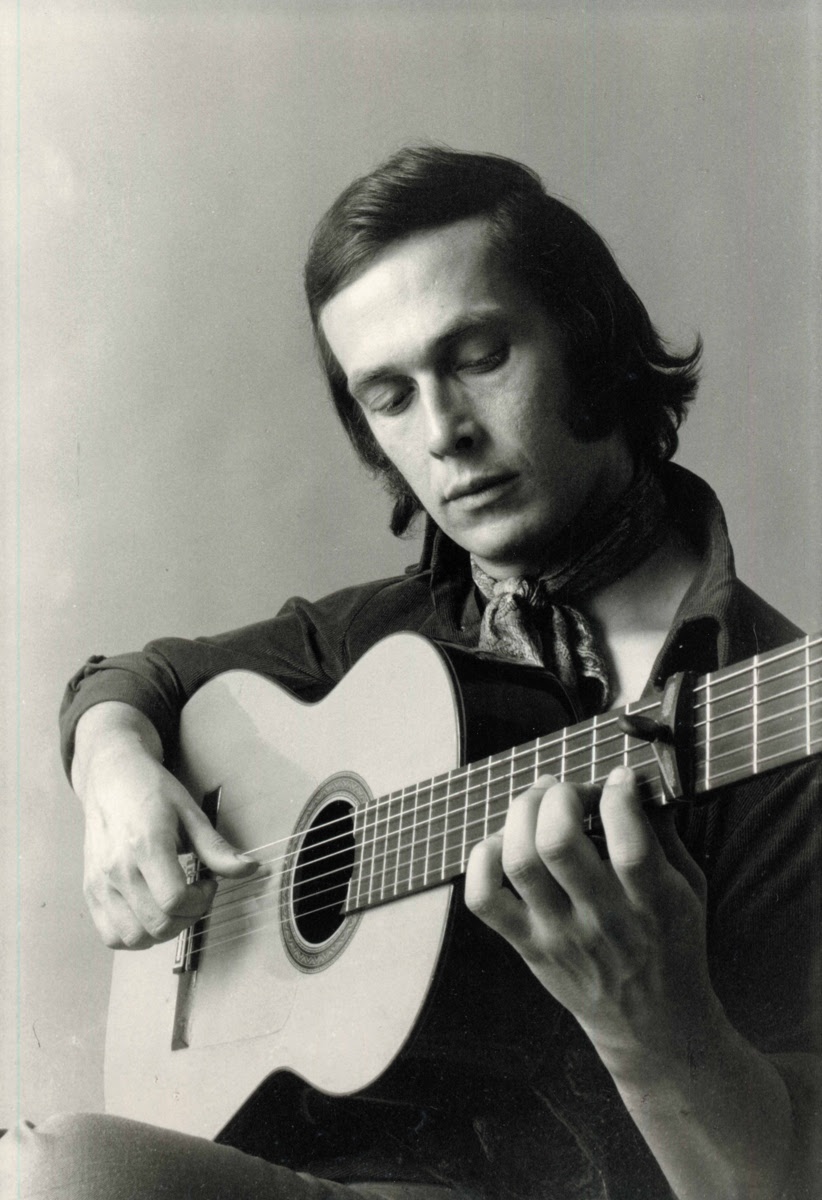
The Flamenco palos system is extremely robust. In fact, there’s dozens of regional, historical, and of course musical distinctions to consider. Each of these forms has special nuances that inform a guitarist as to which form is which.
What are the three top-level flamenco form categories?
The codified Flamenco palo system has been classified in many different ways.² However, the forms generally fall into three main categories:
- Cante (singing)
- Toque (guitar playing)
- Baile (dance)
Since our focus is on flamenco guitar (toque), the remainder of this article will refer to the Flamenco style as toque.
To get a better sense of what a toque is, it’s worth referring to an excerpt by Juan Martín’s El Arte Flamenco de la Guitarra:
“There is no exact English equivalent for ‘toque’…. but as you become more familiar with Flamenco you will soon find that the different toques are easily distinguished. Each has a characteristic and recurring pattern of beats and accents (i.e. its compás) and it also has its own kinds of key and harmonic structure. As a result, it has not only a particular rhythmic form but also a characteristic sound and range of expression.”
– Juan Martín, El Arte Flamenco de la Guitarra: Volume 1
As Martín so eloquently describes, once you become familiar with the various toques, their rhythmic structures (compás), harmonic and even melodic nuances, you’ll be able to quickly identify which style is being played–ultimately allowing you to understand and enjoy flamenco music in a more intimate and purposeful way!