Skip to content

Flamenco Guitarists and Albums

By Updated 5 min read

collage of flamenco guitar albums
Collage of some of the all-time best flamenco guitar albums

What better way to begin learning about flamenco guitar than to start listing to the masters themselves? Below is a list of 26 of the most famous and important flamenco guitarists in history, sorted by artist chronologically.

Next to each flamenco guitarist name are links to my personal favorite albums of theirs available on Spotify and Youtube. Olé!
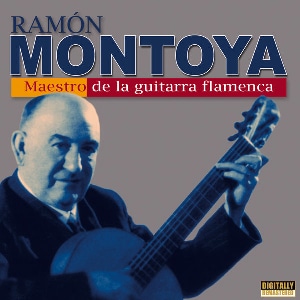
Ramón Montoya – 1879-1949

Ramón Montoya is the guitarist who first brought flamenco guitar out from behind the singer and onto the concert stage. He borrowed techniques like arpeggios and tremolo from classical guitar, and his 1936 recordings in Paris are some of the very first solo flamenco guitar albums. Listen for his rondeña, a solo he created with a special tuning that guitarists still play today.

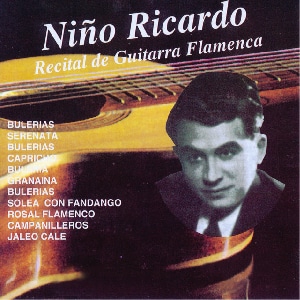
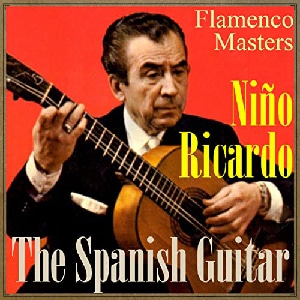
Niño Ricardo (Manuel Serrapí Sánchez) – 1904-1972

Niño Ricardo was the most influential flamenco guitarist in Seville for decades, and young players of the 1950s and ’60s learned his falsetas note for note. Paco de Lucía himself named him as one of his biggest influences. His playing is a wonderful mix of driving rhythm and lyrical, unexpected melodies.

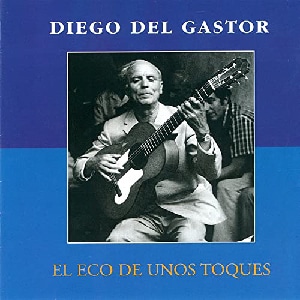
Diego del Gastor (Diego Amaya Flores) – 1908-1973

Diego del Gastor spent most of his life in the small Andalusian town of Morón de la Frontera, playing for family and friends rather than chasing a professional career. His raw, deeply rhythmic Gitano style drew students and aficionados from all over the world to Morón. If you want to hear flamenco guitar at its most earthy and personal, start here!

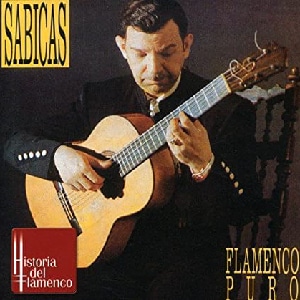
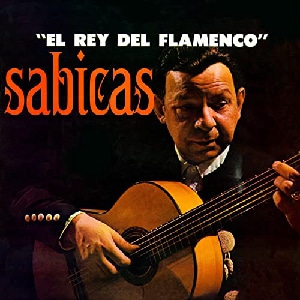
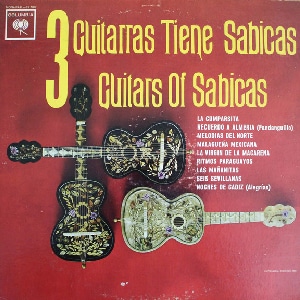
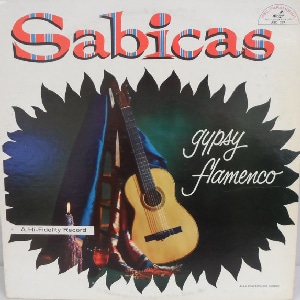
Sabicas (Agustín Castellón Campos) – 1912-1990

Born in Pamplona, Sabicas left Spain during the Spanish Civil War and spent most of his career in the Americas, eventually settling in New York. His jaw-dropping technique and powerful, clean sound helped make solo flamenco guitar a concert attraction around the world. Flamenco Puro is a masterclass in picado and rasgueado.

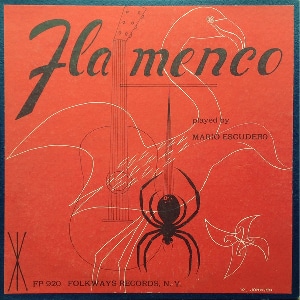
Mario Escudero – 1928-2004

Mario Escudero was born in Alicante and was already touring with flamenco dance companies as a teenager. Like Sabicas, he made his home in the United States, and the two even recorded duo albums together. His playing is elegant and musical, full of beautifully crafted compositions.

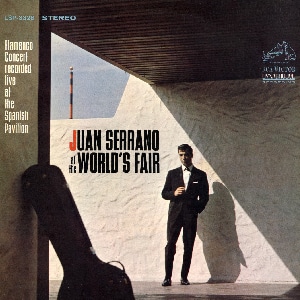
Juan Serrano – b.1934

Córdoba-born Juan Serrano was one of the first flamenco guitarists many Americans ever saw, thanks to his appearances on national TV in the 1960s. He later taught flamenco guitar at California State University, Fresno, passing the tradition on to a new generation of players. His playing is crisp, virtuosic and full of Andalusian flavor. Serrano also wrote two books for learning flamenco guitar: Flamenco Guitar: Basic Techniques and Systematic Studies for Flamenco Guitar, an anthology of falsetas.

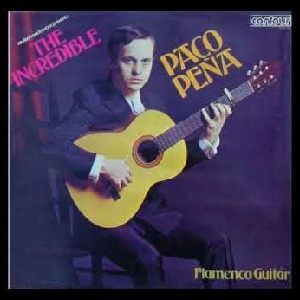
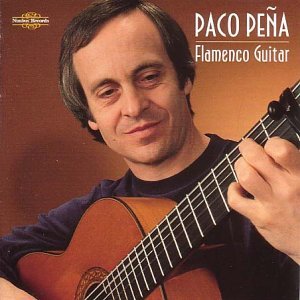
Paco Peña – b.1942

Paco Peña grew up in Córdoba and moved to London in the 1960s, where he became one of flamenco’s greatest ambassadors. He founded the Centro Flamenco Paco Peña and the Córdoba Guitar Festival, and composed the much-loved Misa Flamenca. His playing is a beautiful example of traditional flamenco performed with impeccable clarity.

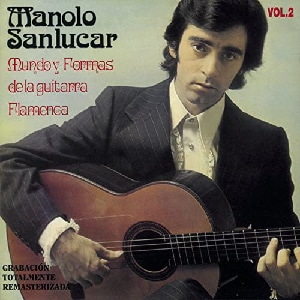
Manolo Sanlúcar – 1943-2022

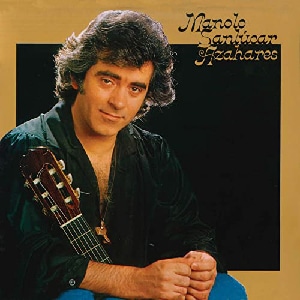
Manolo Sanlúcar, from Sanlúcar de Barrameda, was one of flamenco’s great composers as well as a brilliant guitarist. He brought the flamenco guitar together with the symphony orchestra, and many consider his album Tauromagia (1988) a masterpiece of flamenco guitar. He passed away in 2022, leaving a huge legacy that includes teaching a young Vicente Amigo.

Paco de Lucía (Francisco Sánchez Gómez) – 1947-2014

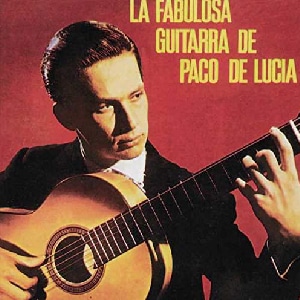
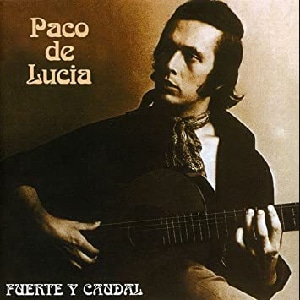
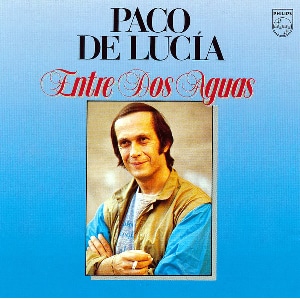
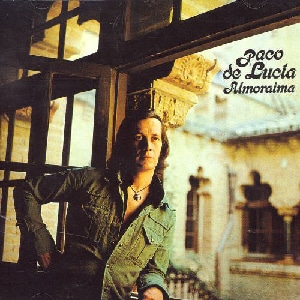
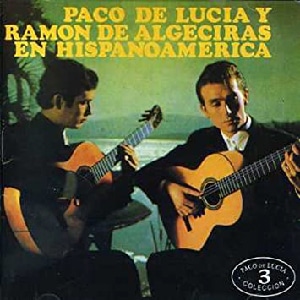
Paco de Lucía is, quite simply, the most influential flamenco guitarist of all time. His rumba “Entre dos aguas” became a hit far beyond the flamenco world, he brought the cajón into flamenco, and he opened it up to jazz on albums like Friday Night in San Francisco with Al Di Meola and John McLaughlin. If you only listen to one flamenco guitarist, make it Paco!

Juan Martín – b.1948

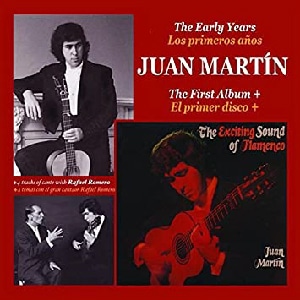
Born in Málaga, Juan Martín has spent much of his career based in London, performing around the world and teaching. His method book El Arte Flamenco de la Guitarra is one of the most popular ways to learn flamenco guitar, and you’ll find him quoted in my guide to flamenco toques and palos. His playing is clear and rhythmic, a great model for learners.

Moraíto Chico II (Manuel Moreno Junquera) – 1956-2011

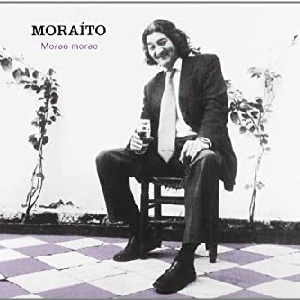
Moraíto Chico was born in Jerez de la Frontera into one of its great flamenco families, and his guitar captured the unmistakable rhythm, or aire, of Jerez. He was one of the most sought-after accompanists for flamenco singers, especially José Mercé. Listen to his bulerías to hear just how much swing a single guitar can have.

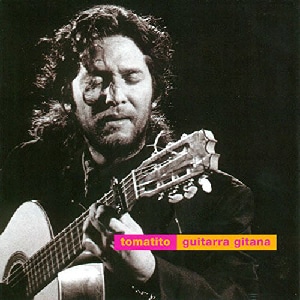
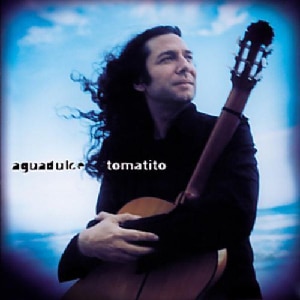
Tomatito (José Fernández Torres) – b.1958

Tomatito, from Almería, first became famous as the guitarist for the legendary singer Camarón de la Isla, accompanying him for well over a decade. He has since built an outstanding solo career, including Latin Grammy-winning albums and beautiful duo recordings with pianist Michel Camilo. His sound is warm, expressive and deeply rooted in tradition.

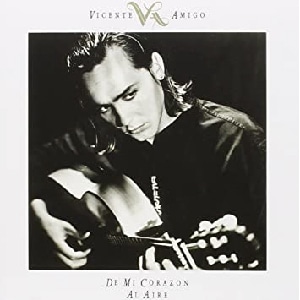
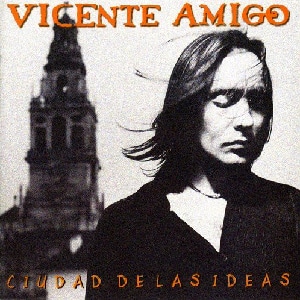
Vicente Amigo – b.1967

Vicente Amigo grew up in Córdoba and studied with Manolo Sanlúcar before launching one of the most acclaimed careers in modern flamenco. His style is lyrical and melodic, almost like a singer on the guitar. His album Ciudad de las Ideas won the Latin Grammy for Best Flamenco Album.