
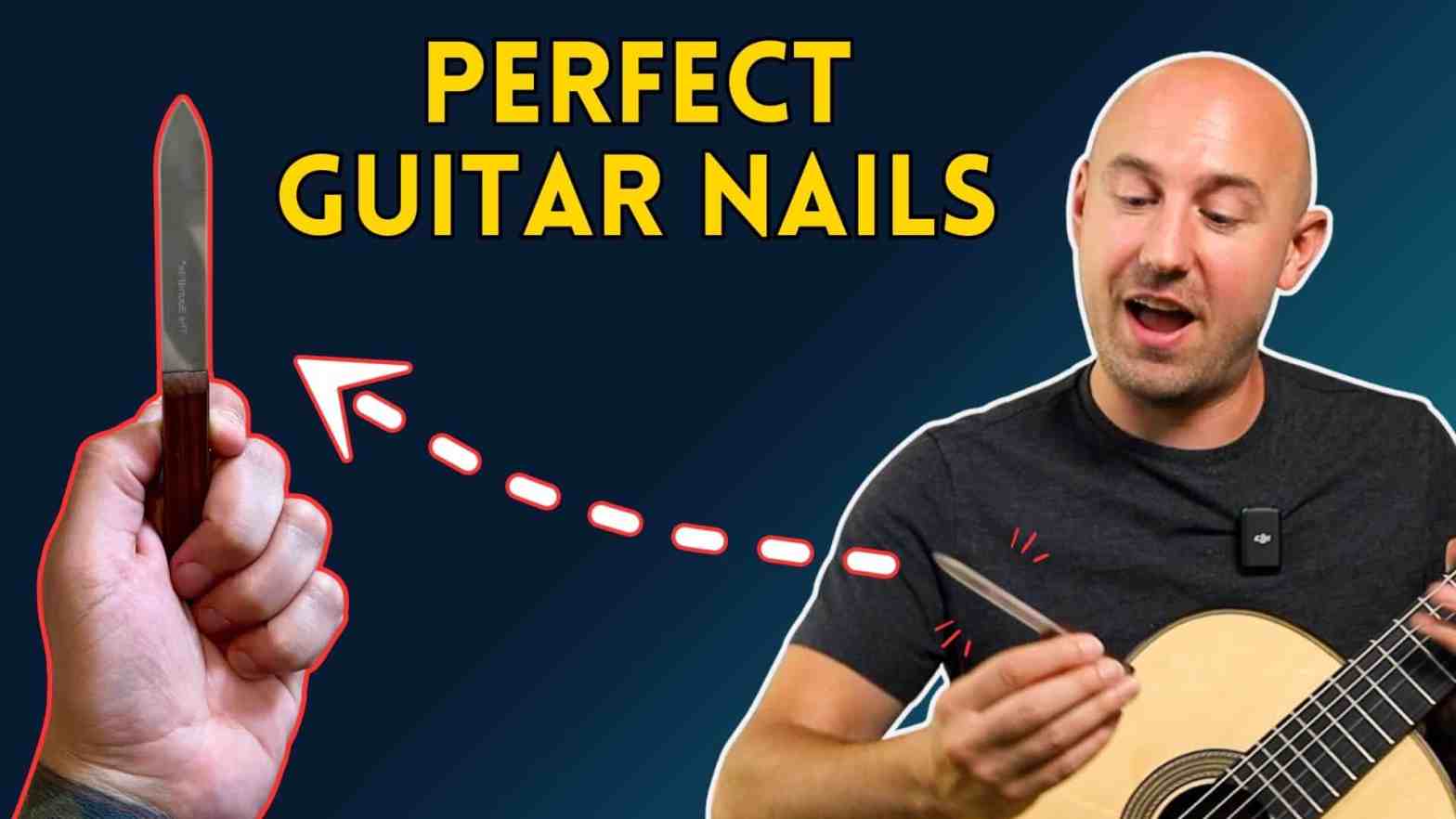
If you’ve ever wondered why classical guitarists seem obsessed with their nails, you’re not alone. Fingernails aren’t just an aesthetic thing—they’re one of the most important tools we have to shape tone, projection, and articulation on the guitar.
Without well-shaped nails, you might struggle to produce a consistent sound. With the right shape and length, however, your tone becomes fuller, warmer, and more expressive.
So let’s break this down: what type of nails are required for playing classical guitar? And what if you don’t have strong nails, or prefer playing guitar without fingernails?
Jump to Section:
- Ideal Fingernail Shape: the Ramp Technique
- Classical Guitar Fingernail Length
- Can you play classical guitar without fingernails?
- Tools of the Trade, Fake Nails, & Growth Tips
- What about your fretting hand fingernails?
Classical Guitar Fingernail Shape: The Ramp Technique
When it comes to classical guitar fingernails, shape matters more than length.
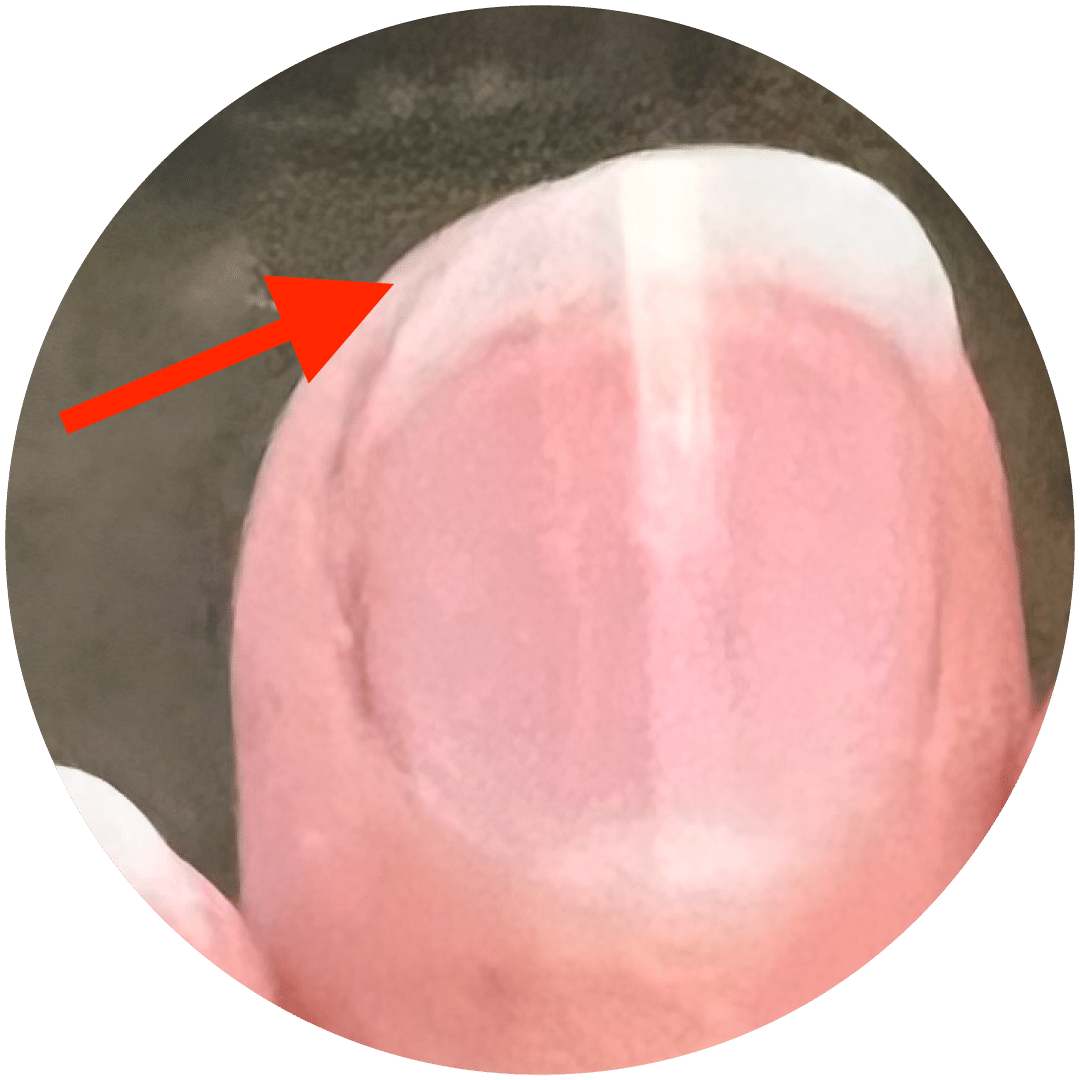
The most recommended shape is what I call the “ramp.” The ramp starts low on the side that strikes the string, and the nail is longest on the far side.
Picture a smooth diagonal slope from one side of the nail to the other:
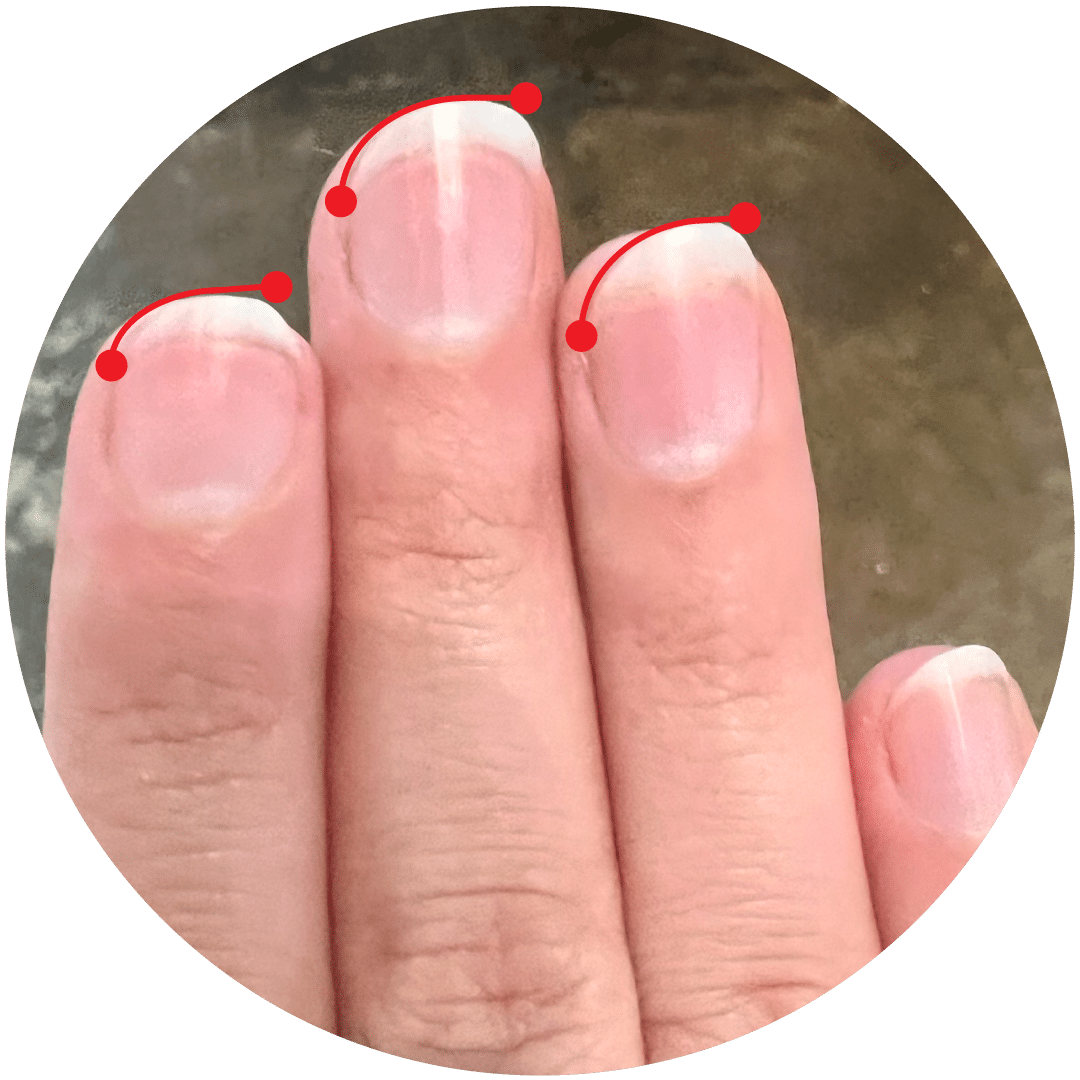
This shape allows the string to roll off the nail and flesh in one smooth, controlled motion. The result? A rich, clear tone that isn’t too bright or too dull.
How to Shape Your Nails
- Use a fine-grit nail file (nano glass or padded files work best).
- Shape the nail so that it mirrors the curve of your fingertip on the side where you strike, but ramps up so the string can slide across it.
- The edge should be smooth with no jagged edges—buff it if needed.
- Your finger should make contact with the string using both flesh and nail.
Avoid the mistake of shaping your nails like guitar picks. That creates a harsh, scratchy sound and limits dynamic control.
What’s the perfect fingernail shape for playing classical guitar?
This YouTube short includes a few clips and examples of how you can shape your right hand fingernails to achieve a warm, clean guitar tone.
Classical Guitar Fingernail Length: What’s “Just Right”?
There is no perfect length that works for everyone. But here’s a helpful test:
- Hold your hand palm-up.
- Look at your fingertips.
- If you can just barely see the nail peeking over the flesh like a crescent moon, then you’re likely in the right range.
Too short, and you’ll get a dull, muted sound. Too long, and you lose control and tone consistency. My general advice: err on the side of slightly too short and grow from there.

Playing Guitar with Long Fingernails: Dos and Don’ts
It’s possible, but not ideal. Long nails make it harder to control tone and increase the chance of snagging strings. That said, they can be more comfortable if you’re playing a lot of rasgueados or other flamenco guitar strumming techniques.
If you want to keep longer nails for personal style or other reasons, consider shaping them so they taper cleanly and keep the contact point consistent.
Remember: tone always trumps length.
Can You Play Classical Guitar Without Fingernails?
Absolutely! While nails are common, they are not required. Playing classical guitar without fingernails is a legitimate and beautiful approach as promoted by the great composer Francisco Tárrega. Some consider the tone to be softer or more intimate.
But without nails, you’ll need to develop a stronger, more deliberate touch with the right hand.
If you’re curious, try going nail-free for a few weeks and compare the tone. Your fingers will adapt, and it may suit your musical style.
Do you really need fingernails to play classical guitar?
The age old question: to nail or not to nail?
Most classical guitarists have right hand fingernails or use artificial nails to play guitar.
Where does the debate come in? Watch the YouTube short to find out!
Should You Use Fingertips or Nails to Play Guitar?
Ideally, both! The sweet spot is when the string rolls across flesh and nail together. This gives you maximum tone control and dynamic range.
Using only the fingertips? You’ll get a warm but muted sound. Using only the nail? You’ll likely get a harsh, bright tone.
Blend the two for the best results.
Fingernails for Guitar Players: Tools of the Trade
Here’s what I keep in my guitar nail care kit:
- Fine glass nail file (best for detailed shaping)
- The best classical guitar nail file I’ve used is The Soundfile Nail File (Nano Glass) – highly recommend!
- Micromesh/Nail Finishing Sandpaper Sheets
- Buffer block (to smooth the nail edge and surface)
- Mini nail clippers (for quick length adjustments)
The best classical guitar fingernails nail file is one that gives you control and doesn’t leave a ragged edge. Glass files are my go-to.

Fake Fingernails for Guitar: Are They Worth It?
If your nails are weak, brittle, or break easily, you might explore artificial options. Here are the most common:
- Press-on or glue-on nails
- Silk wraps
- Acrylic or gel overlays
I might not have been been blessed with the best hair genes, but at least my nails are sturdy! That said, I haven’t personally used artificial nails other than in emergency performance situations.
That said, many students have recommended the cheap artificial fingernail packs you buy in bulk. They’re not messy, not too damaging, and can be shaped easily to match the natural ramp shape.

Tip: Looking for a professional touch? Bring your file and a reference photo of your preferred shape to your nail tech!
Nail Care Tips: How to Grow and Maintain Your Nails for Guitar
Here’s some general tips to help with natural nail growth and strength:
- Eat for nail health: Biotin, protein, and hydration are key.
- File, don’t clip: Clipping can create cracks or uneven edges.
- Buff regularly: This reduces string drag and improves tone.
- Keep nails clean: Dirt can affect the contact point.
- Use gloves when cleaning or doing dishes. Harsh chemicals can weaken nails fast.
Consistency is everything. A few minutes a week can save you from weeks of bad tone.
What About Your Fretting Hand Nails?
Keep them short.
Seriously—the shorter, the better. Even a little nail overhang on the left hand can interfere with proper finger placement and pressure.
If you want clean, buzz-free notes and relaxed fretting, your fretting-hand nails should be filed flush with the fingertip.
Conclusion: Nail It with Patience and Practice
Whether you’re a beginner or a seasoned guitarist, your fingernails are part of your tone.
Don’t rush to find the “perfect” shape. It takes experimentation and regular maintenance to dial it in. But once you do, you’ll immediately hear and feel the improvement.
And remember: your hands are your voice. Treat them well!
Looking to dive deeper? Check out the Guitar Foundations course, where we explore tone production, technique, and more in a step-by-step, student-friendly format.