
“Wish You Were Here” is Pink Floyd’s beloved 1975 ballad — and one of the most beginner-friendly songs in classic rock once you get past the intro. The verses hold each chord for an entire phrase, so there are no rapid transitions to worry about, and every chord change is bold and obvious. It’s a great choice for early players looking to focus on clean strumming and confident chord switches.
The iconic intro lick is a bit more advanced — it uses some higher-position chord voicings (Em7 and A7sus4) and includes one of the cleanest, easiest hammer-ons in popular guitar. I’ve included it in full below. If it feels too advanced at first, skip straight to the chord changes and come back to it later.
The Chords You’ll Need


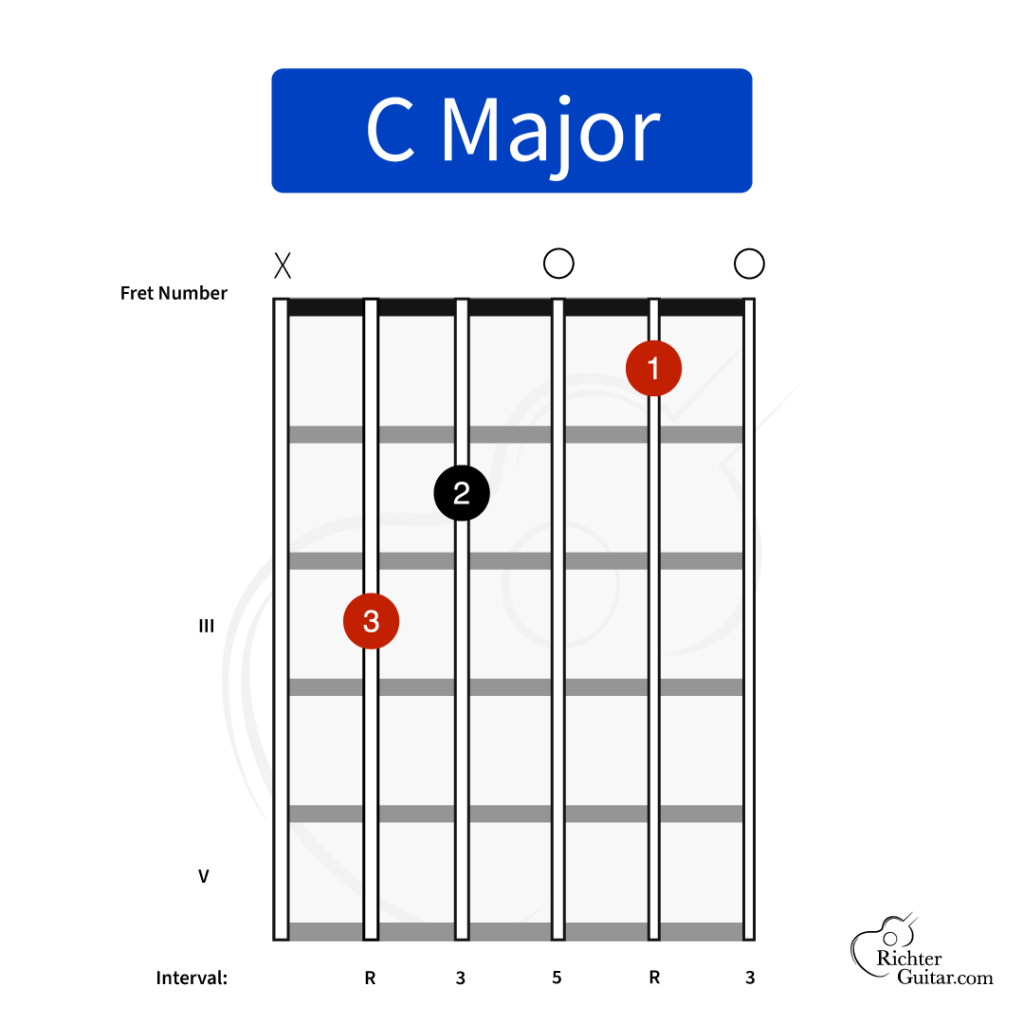

Chord Chart
Intro

                    Em7                G
e|------------------3-3----------------3-3---------|
B|------------------3-3----------------3-3---------|
G|------------------0-0------0---------0-0---------|
D|---------0--2-----2-2---2-----2--0---0-0---------|     (x2)
A|-----0h2-----------------------------2-2---------|
E|-(3)---------------------------------3-3---------|
  (omit 1st time)

                    Em7               A7sus4
e|------------------3-3----------------3-3---------|
B|------------------3-3----------------3-3---------|
G|------------------0-0----------------0-0---------|
D|---------0--2-----2-2--2--0----------2-2---------|     (x2)
A|-----0h2---------------------2--0----0-0---------|
E|-(3)---------------------------------------------|
  (omit 2nd time)

Interlude 1

G  Em  G  Em  G  Em  A  Em  A  G     (x2)

Verse 1

C                        D
So, so you think you can tell
            Am
Heaven from Hell,
                G
Blue skies from pain.
                     D
Can you tell a green field
                  C
From a cold steel rail?
               Am
A smile from a veil?
                     G
Do you think you can tell?

Verse 2

                        C
And did they get you to trade
                D
Your heroes for ghosts?
              Am
Hot ashes for trees?
              G
Hot air for a cool breeze?
                 D
Cold comfort for change?
              C
And did you exchange
                      Am
A walk on part in the war
                     G
For a lead role in a cage?

Interlude 2

G  Em  G  Em  G  Em  A  Em  A  G

Verse 3

C                                D
 How I wish, how I wish you were here.
           Am
We're just two lost souls

Swimming in a fish bowl,
G
 Year after year,
D
 Running over the same old ground.
C
 What have we found?
             Am
The same old fears.
              G
Wish you were here.

Outro

G  Em  G  Em  G  Em  A  Em  A  G     (x4)
About the iconic intro & the hammer-on
The intro features one of the cleanest, easiest hammer-ons in popular guitar:
“0h2” on the A string means pluck the open A, then quickly press a finger down on
fret 2 to “hammer” onto the B note — no second pick needed. The Em7 and A7sus4
voicings used here are higher-position variations that give the intro its signature
ringing, shimmering sound. They’re more advanced than the basic open chords; skip
to the verses if needed and come back to the intro once everything else feels
comfortable.
Practice Tips
- The verses are beginner-friendly because you hold each chord for entire phrases — no rapid transitions to worry about. Focus on smooth, confident strumming and clean chord switches when they do come.
- The “0h2” hammer-on in the intro is a great first hammer-on technique. Drill it slowly: pluck the open A string, then press finger 2 (or whichever feels natural) down on fret 2 without picking again. The note should ring clearly from the hammer alone.
- The G → Em → G → Em → G → Em → A → Em → A → G interlude pattern recurs throughout the song. Practice it as one rhythmic unit so the changes feel automatic.
- This song is at its best slow and contemplative. Don’t rush — let each chord ring fully. The space between changes is part of the song’s emotional weight.