
“Come As You Are” is one of Nirvana’s most recognizable songs, especially as the opening song in their MTV Unplugged live acoustic performance. This is the acoustic arrangement as heard on the Live in NY DVD — a stripped-down version that’s more accessible for beginners than the original. Five basic open chords carry the whole song (Em, Dsus, G, A, C), and the famous riff is preserved in the intro tab below.
The original recording uses a capo on the 1st fret, but it’s optional — the song still works perfectly fine without one (you’ll just be playing one half-step lower than the recording).
The Chords You’ll Need


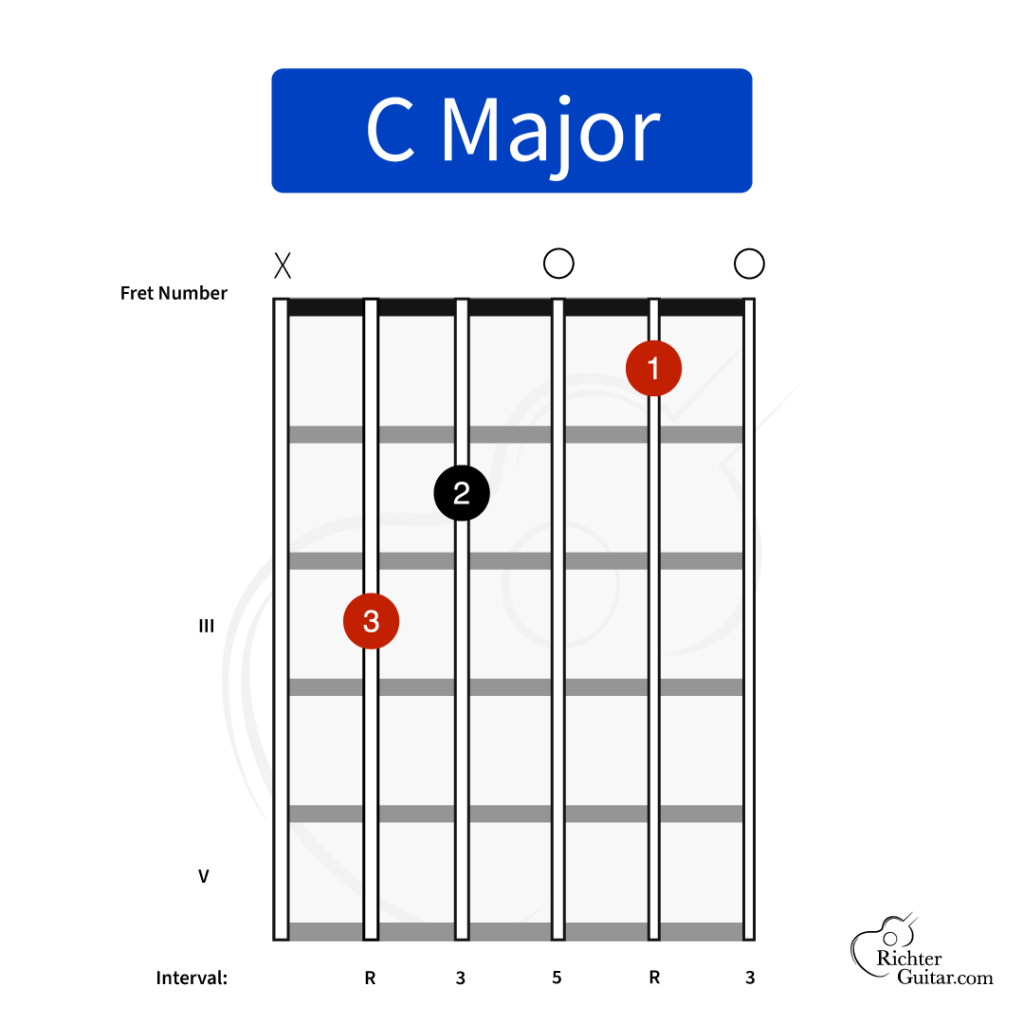

Chord Chart
Intro

e|-------------------------------------------------------------------------|
B|-------------------------------------------------------------------------|
G|-----------0---0-----------2-----2---------0---0-----------2-------------|
D|-0-0-1-2-----2---2-2-1-0-0---0-----0-1-2-----2---2-2-1-0-0---0-----------|
A|-------------------------------------------------------------------------|
E|-------------------------------------------------------------------------|

For the verses you can either repeat the intro riff (like it's on the CD) or
play the following chords:

Verse 1

Em          Dsus
Come as you are
       Em
As you were
     Dsus        Em
As I want you to be
     Dsus         Em
As a friend, as a friend
      Dsus   Em
As an old enemy
          Dsus
Take your time
      Em
Hurry up
              Dsus
The choice is yours
         Em
Don't be late
       Dsus       Em
Take a rest, as a friend
      Dsus     Em
As an old memory

Refrain 1

G         Em   G
ah   Memory    ah
     Em  G         Em  G
Memory   ah   Memory   ah

Verse 2

Em             Dsus
Come dowsed in mud
          Em
Soaked in bleach
     Dsus        Em
As I want you to be
     Dsus        Em
As a trend, as a friend
      Dsus     Em
As an old memory

Refrain 2

G         Em   G
ah   Memory    ah
     Em  G         Em  G
Memory   ah   Memory   ah

Bridge 1

A       C
  And I swear
     A              C
That I don't have a gun
    A              C
No, I don't have a gun
    A              C
No, I don't have a gun

Refrain 3

Em  G    Em        G   Em
Memory   ah   Memory   ah
Em  G    Em        G   Em
Memory   ah   Memory   ah
Em  G    Em        G   Em
Memory   ah   Memory   ah
Em  G    Em        G   Em
Memory   ah   Memory   ah

Bridge 2

A       C
  And I swear
     A              C
That I don't have a gun
    A              C
No, I don't have a gun
    A              C
No, I don't have a gun

Outro

Em  G    Em        G   Em
Memory   ah   Memory   ah
Em  G    Em        G   Em
Memory   ah   Memory   ah
Em  G    Em        G   Em
Memory   ah   Memory   ah
Em  G    Em        G   Em
Memory   ah   Memory   ah
About the iconic intro riff
The descending riff in the intro tab is one of the most recognizable guitar parts
of the 1990s. It’s optional — you can play the verses by simply strumming Em and
Dsus instead — but it’s worth learning. The whole riff lives on the D and G strings,
so it’s more accessible than it sounds.
About Dsus
Dsus is just D with one finger change. From a regular D chord, instead of placing
finger 2 on the high E string at fret 2 (F#), place finger 4 on the high E at fret
3 (G). That extra half-step is what gives Dsus its haunting, unresolved quality —
and it’s why this song’s verse feels so emotionally suspended.
Practice Tips
- Master the Em ↔ Dsus alternation in the verse first. That’s the song’s main chord movement, and once it’s smooth the verse plays itself.
- The intro riff is iconic but optional. If you’re not ready for it yet, just strum the chords through the verse — the song still sounds like itself.
- Practice the D-to-Dsus finger swap in isolation. The motion (adding and removing pinky on the high E string, fret 3 while leaving finger 2 down) is small but takes a moment to wire into muscle memory.
- The capo is optional. If you want the original recording’s exact sound, capo on the 1st fret. If not, the song still works in true E minor — just one half-step lower.