
“All For You” is Sister Hazel’s 1997 breakthrough hit and one of the most beloved love songs of late-90s alternative rock. The chord vocabulary is wonderfully beginner-friendly: Am, D, Em, C, and G are all basic open chords, and the same five chords carry the entire song from start to finish.
The original recording sits in B♭ minor, so a capo on the first fret will let you play along with the record. The capo is completely optional, though — the song sounds great in A minor without one. I’ve also written the chorus C chords as Cadd9 for a brighter sound; more on that in the notes below.
The Chords You’ll Need


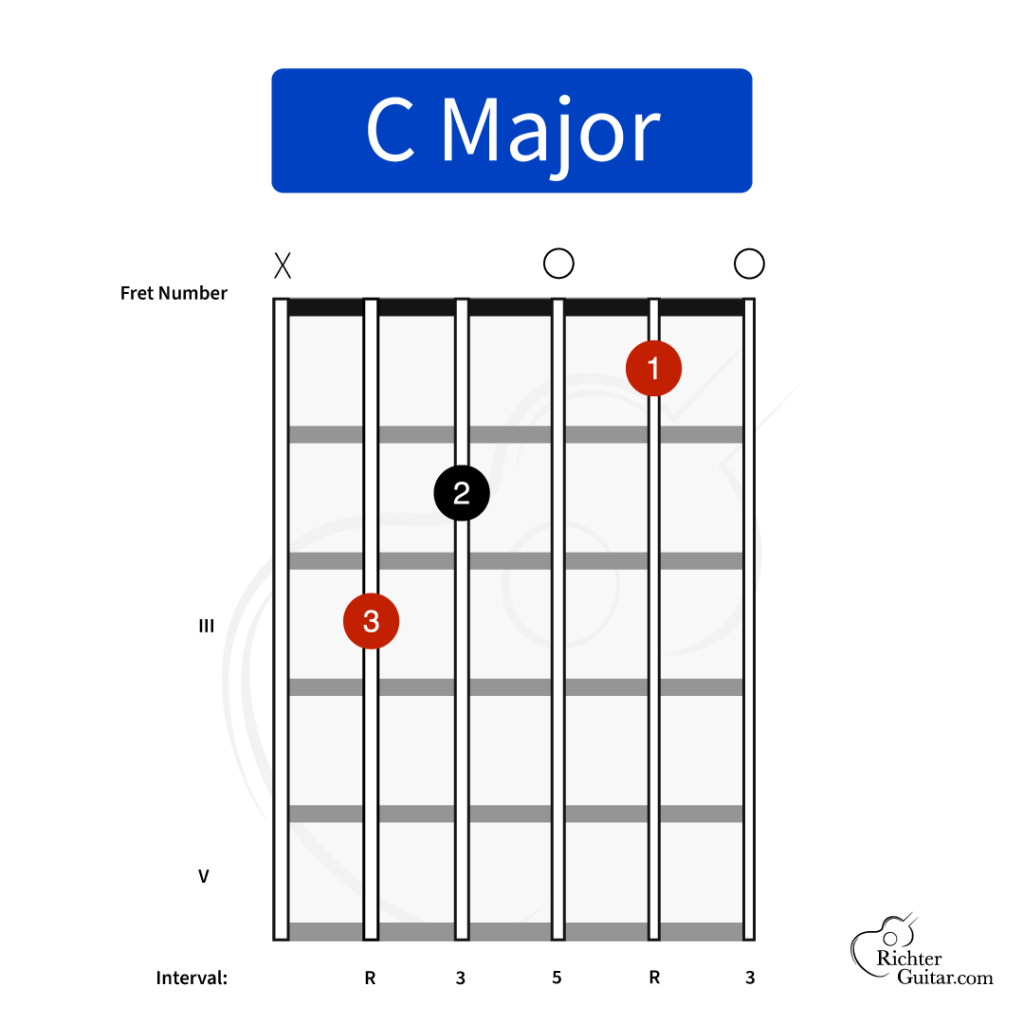

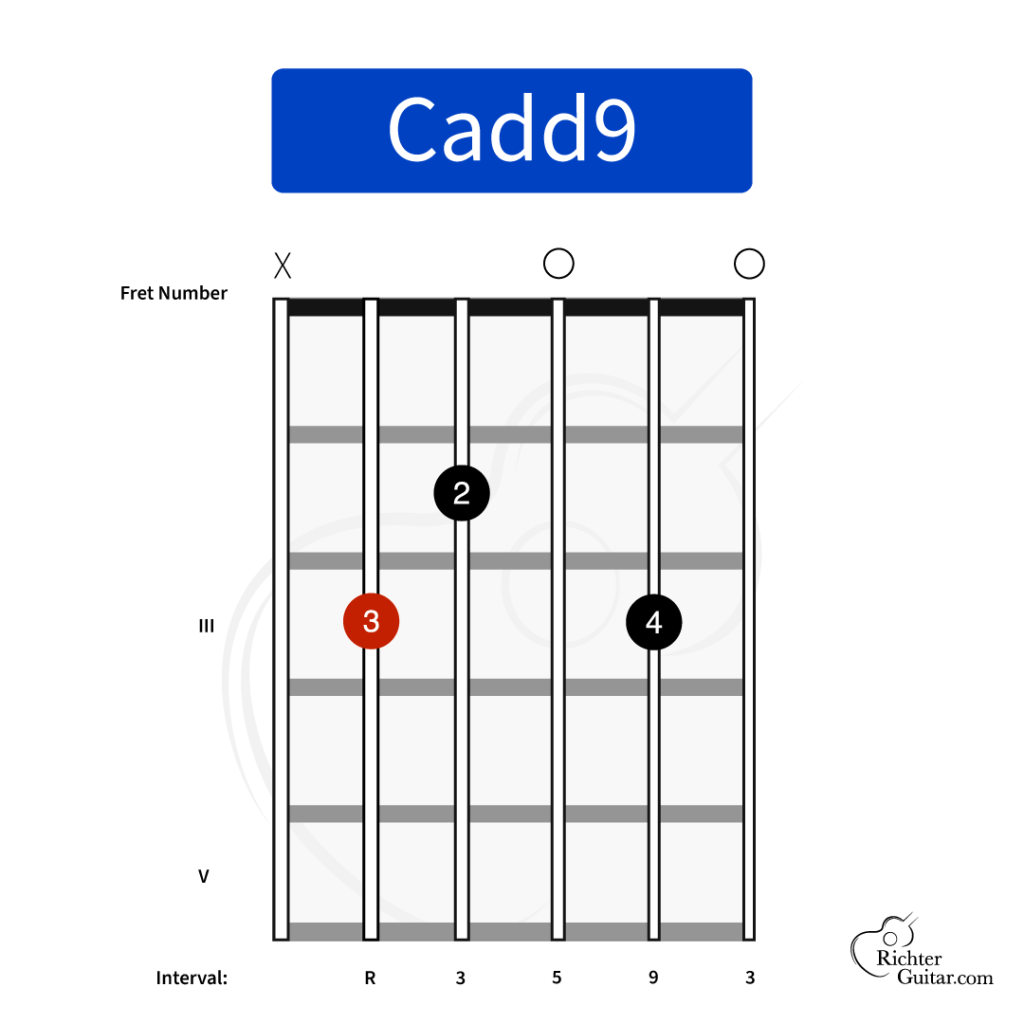
Chord Chart
Intro

   G                                      G
e|-3-----3-------3-------3-------3--------3-------|
B|-3-------3-------3-------3-------3------3-------|
G|-0---------0-------0-------0-------0----0-------|
D|-0-----------0-------0-------0-------0--0-------|
A|-2--------------------------------------2-------|
E|-3--------------------------------------3-------|

Verse 1

 Am             D
Finally I've figured out
        Am                 D
But it took a long, long time
Am                    D
But now there's a turnabout
Am              D
Maybe cuz I'm trying

Pre-Chorus 1

 Em           Am               Em
There's been times, I'm so confused
        Am                 Em
All my roads, they lead to you
             C             G D
I just can't turn and walk away

Chorus 1

      G       Cadd9
It's hard to say
        Am    D      G
What it is I see in you
        Cadd9   Am    D        G
Wonder if I'll always be with you
  Cadd9      Am     D        G
Words can't say and I can't do
 Cadd9      Am
Enough to prove
      D       G   Cadd9  G
It's all for you

Verse 2

  Am           D
I thought I'd seen it all
          Am                D
Cuz it's been a long, long time
 Am                      D
But then we'll trip and fall
  Am               D
Wondering if I'm blind

Pre-Chorus 2

 Em           Am               Em
There's been times, I'm so confused
        Am                 Em
All my roads, they lead to you
             C             G D
I just can't turn and walk away

Chorus 2

      G       Cadd9
It's hard to say
        Am    D      G
What it is I see in you
        Cadd9   Am    D        G
Wonder if I'll always be with you
  Cadd9      Am     D        G
Words can't say and I can't do
 Cadd9      Am
Enough to prove
      D       G   Cadd9  G
It's all for you

Bridge

 C            Em
Rain comes pouring down
   C               Em
Falling from blue skies
  C              Em
Words without a sound
  C               D
Coming from your eyes

Solo

(G  C  Am  D)  x8

Then repeat: Verse 1 · Pre-Chorus · Chorus

Final Chorus

     G       Cadd9 Am   D
It's hard to say
     G       Cadd9 Am   D
It's hard to say
             G   Cadd9  G
It's all for you
About Cadd9 in the choruses (optional)
The C chords in the choruses are written as Cadd9 — that’s a C chord with a D
note added on the B string at fret 3. It creates a brighter, ringing sound that
pairs beautifully with the G chord that surrounds it. If Cadd9 isn’t comfortable
yet, regular C major still works great and won’t change the song’s feel much. See
the Good
Riddance page for more on the G-to-Cadd9 transition trick.
About the optional capo
The original Sister Hazel recording is in B♭ minor — half a step above A minor.
Putting a capo on the first fret raises every chord by a half step, so the same
Am, D, Em, C, and G shapes will sound in the recording’s key. Skip the capo if
you’d rather play in A minor; the song works perfectly either way.
Practice Tips
- The verses are just Am alternating with D — a great two-chord drill on its own. Lock that change in first and the verses fall into place.
- The chorus mixes G, Cadd9 (or C), Am, and D. Watch your spacing: in places the chord changes happen quickly, sometimes two per measure.
- The pre-chorus is the most harmonically interesting section (Em → Am → C → D). Each chord lands on a strong syllable — let those changes drive the build into the chorus.
- After the solo, the song repeats Verse 1, Pre-Chorus, and Chorus before the final outro chorus. The chord chart shortens this to save space; just scroll back up and play through those sections again.